Meet Asif / Things I started
The things I've started
A research society, a journal, and the education project that came before both.
The hardest part of research is not the research. It is the first step, and nobody shows it to you. Most undergraduates never write a paper, not because they have nothing to say, but because nobody walks them from a question to a literature search, from a search to an experiment, from an experiment to a result, and from a result to something a stranger can read and check. Academic publishing asks beginners to run a marathon before anyone has shown them how to jog. I remember what that felt like. So I started building the places where the walk gets taught.
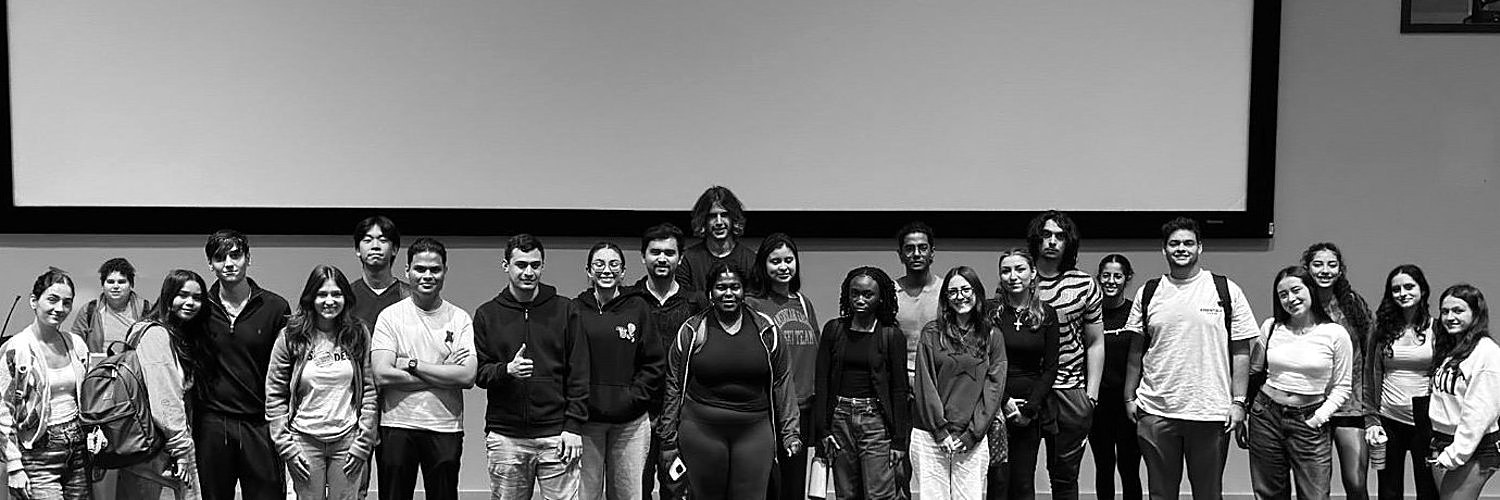
The first was the Engineering Research Society. It exists to build a hands-on research culture, and its programme takes students through the whole cycle from idea to publishable result, with peer feedback and revision along the way. It grew past two hundred members, organised the university's first interdisciplinary hackathon, and runs a workshop series on the fundamentals of research and development that is open to anyone, anywhere. The photograph above is one evening's worth of it.
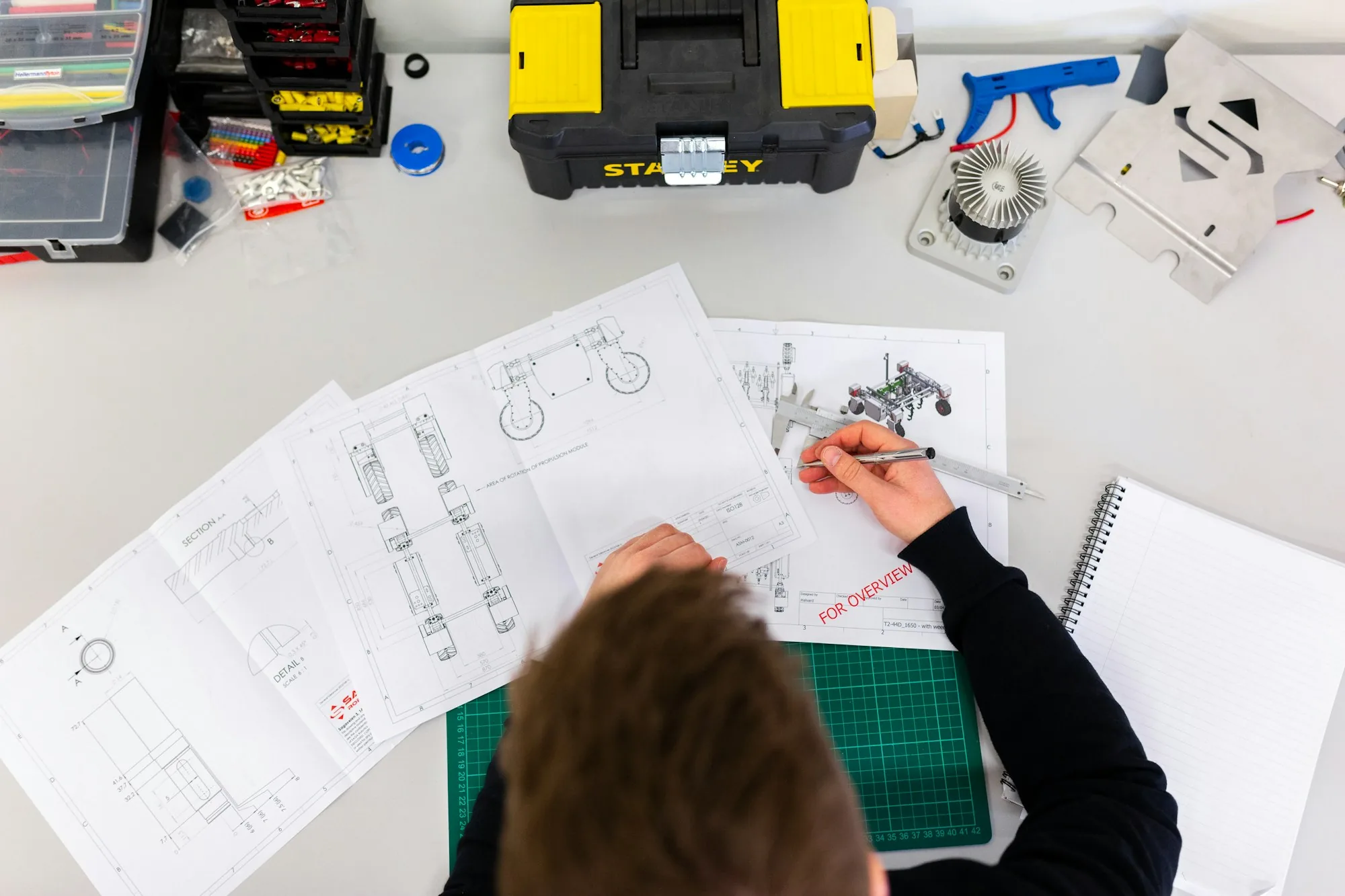
The second was the Engineering Review, the university's first undergraduate engineering research journal. I built the editorial infrastructure end to end, from the submission pipeline to reviewer workflows and contributor onboarding, and I edit it. Submissions are open worldwide, and every author gets structured peer review whether or not the piece is accepted. The point was never the journal. It was giving the walk somewhere to end.
Before either of those there was FinxNOW, a STEM and finance education initiative that grew to more than forty nonprofit partners across five continents, published educational material, and ran international student competitions. It operated without outside funding, and I wound it down deliberately when the core team left for university. Closing something you built is its own education. What it left me with is the line I still use when a team gets ambitious: chaos does not scale.
The through-line is the same in the lab and in the society: find the step nobody teaches, and build the thing that teaches it. It is the same idea I carry into everything at the meeting point of RF hardware, chips and AI.
Next
The millimeter-wave hardware I build
Waveguide transitions, antenna arrays, and the two patents that came out of the bench.